Australian small businesses are working harder without necessarily earning more, according to the 2026 State of Small Business Report launched by the Council of Small Business Organisations Australia (COSBOA) and Square at Parliament House last week.
Drawing on anonymised data from hundreds of thousands of Australian Square sellers and a national survey of 608 small business owners, the Small Business Report found typical small business revenue grew by 3.9 per cent, almost matching inflation of 3.8 per cent.
Around two in five owners are working longer hours than a year ago, while only around one in four are paying themselves more. Just 25.8 per cent said they could absorb a 20 per cent increase in demand with their existing people and systems.
Utilities are also weighing more heavily, with 67.4 per cent of owners reporting greater pressure from these costs than a year ago.
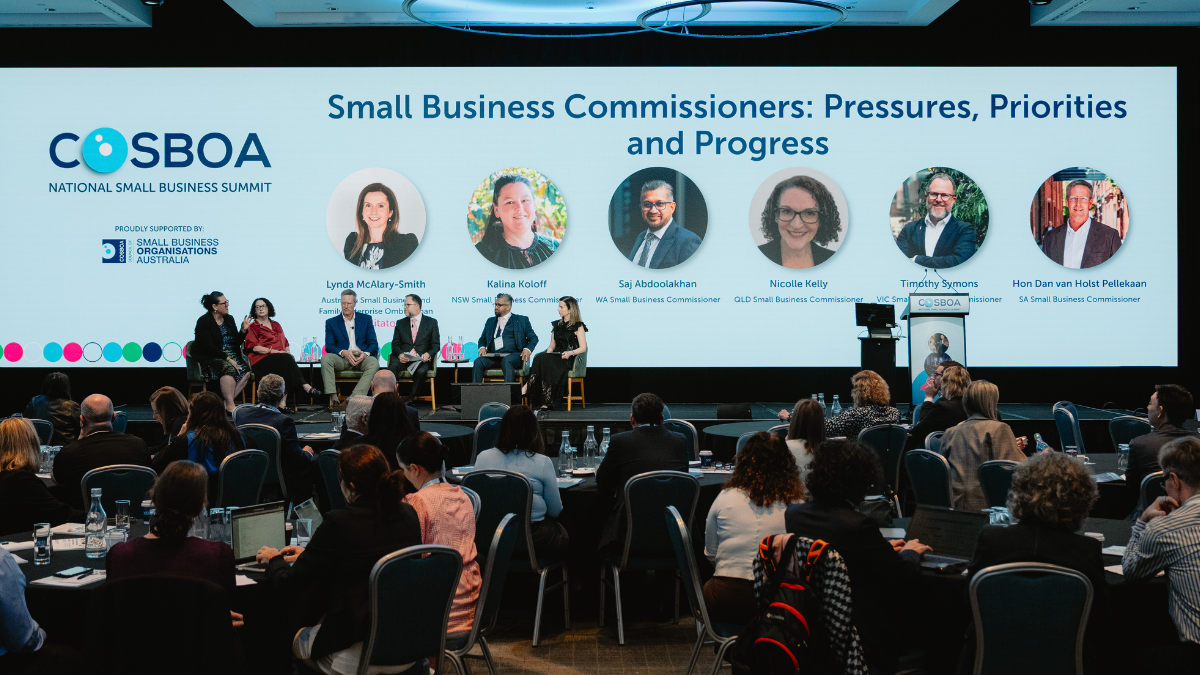
The findings provided a backdrop to COSBOA’s recent Canberra meetings, where members, industry leaders and parliamentarians discussed the challenges facing small businesses and the policy changes needed to support them.
Energy costs and AI on the agenda
COSBOA partnered with Energy Consumers Australia for a Small Business Energy Roundtable and Parliamentary Breakfast. ECA’s 2026 Small Business Energy Consumer Survey found 44 per cent of small businesses said rising energy costs had significantly affected their financial performance over the previous 12 months.
The organisations are working towards a Small Business Energy Blueprint, with proposed priorities including a consumer duty, financial support for electrification upgrades, fairer embedded network arrangements and a national energy one-stop-shop.
Artificial intelligence was another key focus at COSBOA’s Council Day, where members examined how AI could improve productivity without adding disproportionate costs or regulatory burdens.
Around 45% of owners surveyed for the State of Small Business Report now use AI tools, but the time saved is largely being reinvested into running their businesses rather than creating capacity for growth.
Members called for practical, industry-specific support, trusted advice, appropriate regulation and incentives to make investment easier. Their feedback will help shape COSBOA’s emerging AI policy and advocacy position.
Advocacy priorities for 2027
COSBOA’s 2026 Activity Statement recorded close to 100 policy submissions over the past year, covering areas including tax reform, competition, payments, industrial relations, privacy and cyber security, skills and migration.
The organisation also helped secure outcomes including the permanent $20,000 instant asset write-off, an increase in the turnover threshold for the small business capital gains tax active asset reduction concession from $2 million to $10 million, and continued protection of the small business exemption under the Privacy Act.
The AGM also welcomed new and returning Board directors and recognised outgoing Chair Matthew Addison, who served five years, and departing directors Christine Pope, Jos de Bruin and Wes Lambert.
COSBOA CEO Skye Cappuccio said member expertise and real-world business experience remained central to the organisation’s advocacy.
As COSBOA looks towards 2027, its focus is on creating the conditions for small businesses to thrive, invest, employ and grow.